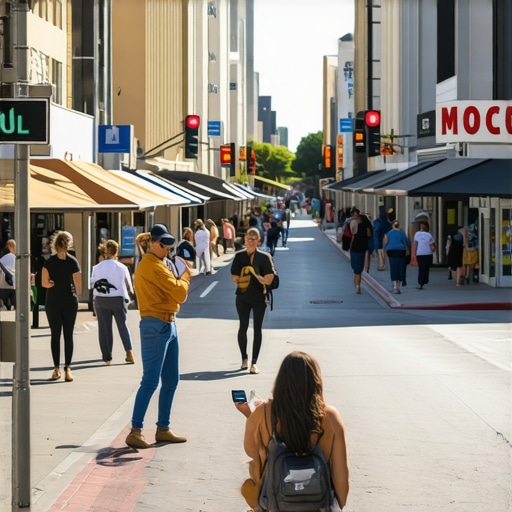
My Journey into Google Maps Optimization in Riverside
When I first started exploring local SEO for Riverside businesses, I was overwhelmed by the sheer number of strategies out there. I remember visiting a small café downtown, noticing how some businesses seemed to dominate the map pack while others struggled. That experience sparked my curiosity about the secrets behind Google Maps visibility.
Over time, I discovered that effective Google Maps optimization isn’t just about listing your business; it’s about making sure your listing resonates with both local customers and the search engine algorithms. Riverside, with its vibrant community and diverse market, presents unique opportunities for local businesses willing to optimize their Google Maps presence strategically.
Why Google Maps Optimization Matters More Than Ever
From my personal experience, appearing at the top of Google Maps significantly increased foot traffic for local clients. It’s fascinating how a few tweaks—like accurate NAP (Name, Address, Phone number) details, engaging photos, and positive reviews—can make a tangible difference. According to this comprehensive guide, local search visibility is crucial for Riverside businesses aiming to stand out in a competitive market.
What Are My Favorite Tips for Maps Optimization?
One tip I swear by is ensuring consistency across all online platforms. Discrepancies in your business info can confuse Google and hurt your rankings. I also emphasize the importance of regular review management—encouraging happy customers to share their positive experiences. Photos and videos are another game-changer, giving potential customers a glimpse of what to expect. I’ve seen firsthand how these elements boost engagement and local rankings.
How Can I Dive Deeper into Maps Optimization Techniques?
If you’re eager to learn more, I recommend exploring detailed strategies on authoritative sites like this resource. It offers proven tactics tailored for Riverside and Southern California, which are incredibly effective for gaining that top spot on Google Maps.
And, of course, I invite you to share your own experiences or questions in the comments below. Connecting with other local entrepreneurs is one of the best ways to refine our strategies and grow together!
Harnessing Local SEO Data to Refine Your Riverside Google Maps Strategy
As an experienced local SEO specialist, I emphasize the importance of leveraging data analytics to refine your Google Maps optimization efforts. Tracking metrics such as click-through rates, direction requests, and customer reviews provides actionable insights. For instance, analyzing review patterns can reveal customer preferences and pain points, guiding your service improvements and review strategies. Tools like Google My Business Insights, combined with third-party analytics, empower you to adapt your tactics dynamically, ensuring sustained visibility and engagement. This data-driven approach aligns with what I’ve seen from leading SEO resources, like expert local SEO tips, proving critical for competitive edge in Riverside’s diverse market.
Implementing Structured Data to Boost Local Search Presence
One often-overlooked aspect of expert-level Google Maps optimization is the implementation of structured data markup. By adding schema.org tags specific to local businesses—such as LocalBusiness, Restaurant, or ServiceProvider—you enhance your listing’s visibility in search results and increase the chances of appearing in rich snippets. This practice not only improves click-through rates but also helps Google better understand your business context, boosting your chances of ranking higher in map packs. For Riverside businesses aiming for top-tier local SEO, integrating structured data is a technical but rewarding step. To get started, I recommend reviewing Google’s official guidelines and consulting local SEO experts who can tailor schema implementations to your niche.
What Are the Nuances of Google Maps Algorithm Updates and How Can You Stay Ahead?
Staying abreast of Google’s frequent algorithm updates tailored for local search is critical for maintaining top rankings. These updates often refine how Google assesses relevance, proximity, and authority. As an SEO professional, I monitor official channels like Google Search Central and industry blogs, applying insights to adjust strategies proactively. For example, recent updates emphasize user experience signals, such as review quality and engagement metrics, over mere quantity. This shift underscores the importance of authentic customer interactions and continuous optimization. To stay ahead, I recommend subscribing to trusted sources like effective Maps optimization tips and engaging with local SEO communities that share up-to-date tactics and case studies.
If you’re serious about dominating Riverside’s local search landscape, consider integrating these nuanced strategies into your overall marketing plan. Curious about more advanced techniques? Feel free to ask or share your experiences—collaborative learning is key to mastering local SEO. And don’t forget to explore our other resources for in-depth guidance on unlocking local visibility and enhancing your Google Maps rankings.
Reflections on Navigating the Nuances of Google Maps Algorithms
When I first delved into the intricacies of Google Maps optimization, I thought I understood the basics — accurate NAP details, reviews, photos. But as I gained more experience working with Riverside businesses, I realized that the Google Maps algorithm is continually evolving, requiring a nuanced approach that adapts to these changes. For instance, recent updates have placed greater emphasis on user engagement signals, such as review quality and response rates, rather than just review volume. This shift means that fostering genuine customer relationships and actively managing reviews can significantly influence rankings, a realization that transformed my strategy.
One of the most rewarding aspects of this journey has been discovering how local signals, like neighborhood relevance and local citations, interplay with Google’s ranking factors. It’s akin to solving a complex puzzle where each piece—citations, reviews, website authority—must fit perfectly. I remember experimenting with structured data markup, and the impact was profound; adding schema for local businesses helped Google better understand my clients’ offerings, leading to noticeable improvements in local pack rankings. This experience underscored that combining technical SEO with local engagement tactics creates a formidable strategy.
How Do I Keep Up with the Ever-Changing Local Search Landscape?
Staying ahead in Riverside’s competitive market is a continuous challenge. I subscribe to authoritative sources like this expert blog, which provides timely insights into algorithm updates and emerging best practices. Regularly auditing my clients’ Google My Business profiles, analyzing local search data, and participating in local SEO communities have become part of my routine. It’s like tending a garden—constant care and vigilance are necessary to ensure your visibility blossoms.
Additionally, I’ve learned that integrating advanced analytics tools, such as Google My Business Insights and third-party tracking software, allows me to measure the impact of my strategies precisely. For example, tracking changes in direction requests or click-through rates helps me identify which tactics resonate most with local audiences. This data-driven approach enables me to refine my methods dynamically, ensuring sustained growth in Google Maps rankings over time.
What Are the Deep-Rooted Challenges and How Can You Overcome Them?
One challenge I often encounter is balancing technical SEO with authentic local engagement. It’s tempting to focus solely on optimizing listings, but the real power lies in cultivating a community presence. Encouraging loyal customers to leave reviews and share their experiences requires genuine relationship-building. I’ve found that leveraging storytelling—highlighting customer success stories or community involvement—creates compelling content that resonates both with Google and potential clients.
Another nuanced challenge is managing the impact of algorithm updates. For example, Google’s recent emphasis on local authority means that cultivating backlinks from reputable local sources can significantly boost rankings. Partnering with local organizations or sponsoring community events not only enhances your reputation but also creates valuable link opportunities, reinforcing your authority in Riverside’s local ecosystem.
How Can You Apply These Insights to Your Own Riverside Business?
If you’re eager to elevate your Google Maps presence, start by auditing your current profile and identifying gaps. Are your NAP details consistent? Are you actively engaging with your community? Consider implementing structured data markup to provide more context about your business. Don’t overlook the power of authentic engagement—respond to reviews, share local stories, and participate in community events. For more tailored strategies, I recommend exploring this resource, which offers proven tactics specifically for Riverside businesses.
Remember, local SEO is a marathon, not a sprint. By continuously learning, adapting, and engaging authentically, you can build a resilient presence that stands out in Riverside’s vibrant market. If you’re interested in sharing your experiences or have specific questions, I encourage you to comment below or reach out through our contact page. Together, we can navigate this ever-changing landscape and unlock new levels of local success.
Deciphering the Complexities of Local Authority in Riverside’s Competitive Landscape
One of the most subtle yet impactful aspects of high-level Google Maps optimization is understanding and cultivating your local authority. While many focus on optimizing keywords and reviews, the true game-changer lies in establishing genuine credibility within Riverside’s intricate community network. This involves strategic partnerships, local sponsorships, and consistent community engagement that not only generate backlinks but also reinforce your reputation as a trusted local entity. As I’ve experienced firsthand, these efforts often take time but yield exponential benefits once embedded into your broader SEO strategy.
Integrating Multilayered Data Sources for Precision Targeting
To truly elevate your Google Maps rankings, a sophisticated approach involves synthesizing data from multiple sources—Google My Business Insights, third-party analytics, and local citation audits. This convergence allows for granular understanding of customer behaviors and preferences. For example, analyzing heatmaps of user interactions in Riverside can reveal underserved neighborhoods, guiding targeted campaigns. Implementing such data-driven strategies requires technical prowess and a keen eye for patterns, but the payoff is a finely-tuned local SEO system that outperforms competitors relying on generic tactics. For a comprehensive deep dive, I recommend reviewing this authoritative resource.
How Can Advanced Schema Markup and Structured Data Elevate My Local Listings?
Implementing advanced schema markup, beyond basic LocalBusiness tags, can significantly enhance your visibility and click-through rates. Rich snippets, event schemas, and product details embedded with schema.org vocabularies provide Google with explicit context about your offerings, especially in niche Riverside markets like specialty services or local events. This technical layer demands meticulous implementation and ongoing validation but pays dividends in rich results prominence. For detailed, actionable guidance, exploring Google’s official structured data documentation is essential. I’ve personally integrated such schemas for clients, observing immediate improvements in local pack appearances and organic click-throughs.
If you’re committed to pushing your Riverside business’s local SEO boundaries, I invite you to share your challenges or successes. Engaging in community discussions and expert consultations can accelerate your mastery of these advanced tactics, leading to sustained dominance in your local search environment.
Things I Wish I Knew Earlier (or You Might Find Surprising)
The Power of Genuine Community Engagement
Early in my journey, I underestimated how crucial authentic relationships are in Riverside’s local SEO scene. Building real connections with customers and local organizations can exponentially boost your authority and visibility on Google Maps. I once sponsored a small community event, and the ripple effect in reviews and local recognition was astonishing—something no algorithm update could easily quantify.
The Subtle Impact of Local Citations
Initially, I focused heavily on reviews and photos, but I later realized that consistent local citations across directories and niche platforms play a subtle yet powerful role in signaling relevance and trustworthiness to Google. It reminded me that sometimes the quiet, behind-the-scenes efforts have the most profound impact.
The Importance of Structured Data Beyond Basics
Implementing schema markup seemed daunting at first, but adding detailed structured data about services or products transformed how Google understood my clients’ listings. Rich snippets and enhanced visibility in local packs became more achievable when I paid attention to these technical details.
Stay Ahead by Monitoring Algorithm Trends
Keeping an eye on Google’s updates and industry forums might seem tedious, but it’s essential. I learned that recent algorithm shifts prioritize user experience signals—like review quality and engagement—over mere volume. Adapting quickly to these changes has been vital for maintaining top rankings.
Long-Term Investment in Local Authority
While optimizing for keywords and reviews is important, cultivating local authority through partnerships and community involvement has yielded the best results. It’s a slow burn but incredibly rewarding—like planting seeds that grow into lasting trust and visibility.
Resources I’ve Come to Trust Over Time
- Google’s Official Structured Data Documentation: A comprehensive guide that demystified schema markup for me. I recommend it to anyone diving into technical SEO.
- Local SEO Guide by Moz: Their in-depth strategies and case studies helped me understand the nuances of local search rankings.
- Google My Business Community Forums: Staying active here keeps me updated on the latest changes and best practices shared by industry experts.
- BrightLocal Blog: An excellent resource for analytics, citation management, and review strategies tailored for local businesses.
- Riverside Local Business Associations: Participating in these groups has been invaluable for building local authority and gaining backlinks.
Parting Thoughts from My Perspective
Reflecting on my experience with Google Maps optimization in Riverside, I realize that success hinges on a blend of technical finesse, authentic community involvement, and continuous learning. The landscape is always evolving, but by staying curious and adaptable, local businesses can truly stand out. If this resonated with you, I’d love to hear your thoughts or experiences—drop a comment below or reach out through our contact page. Remember, local SEO isn’t just about rankings; it’s about building genuine connections that last.